
Why Every Titan Van Starts With a Modular Core
The best van is the one that still fits your life in five years. Here is how we build for that.
Ask someone who has owned a camper van for five years what they would change, and you will rarely hear about the paint. You will hear about the layout. The bed that made sense before the grandkids started coming along. The galley that was perfect until they started traveling in winter. The seating that worked for two and never quite worked for four.
That is the problem a modular core solves — and it is the reason we start every Titan build there rather than with the finishes.
One structure, many lives
Most conversions are built the way a house is: framed in place, fixed permanently, finished over the top. It looks beautiful on delivery day. It also means that changing anything later involves a saw and a great deal of optimism.
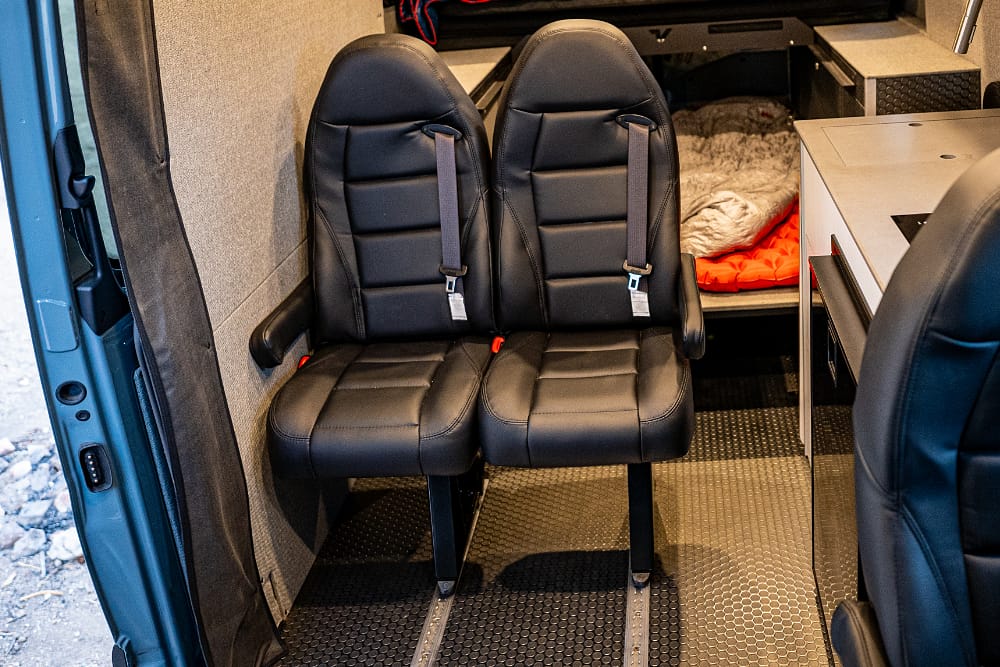
We build to a common structural core instead. The mounting points, the wire runs, the plumbing chases and the load paths are engineered once and shared across the lineup. What sits on top of that core — the bed configuration, the galley, the seating, the storage — attaches to known points rather than being permanently bonded to the van.

What that actually buys you
-
Your van can change with you
Travel habits shift. A layout that adapts is worth far more over a decade than one that was perfect for a single season.
-
Repairs stay small
When a component is fastened rather than bonded in, replacing it is a service appointment instead of a rebuild. That matters a great deal the first time something fails a long way from home.
-
Upgrades stay possible
Battery chemistry, heaters and connectivity hardware all improve. Designed-in access means adding capacity later does not mean tearing out cabinetry to reach a wire.
-
Quality is repeatable
Building to a known structure means every van is assembled the same way, by people who have done it many times before. Consistency is what makes a van reliable.
Comfort is an engineering outcome
It is tempting to think of comfort as a matter of upholstery. In a vehicle you sleep in, comfort is mostly structural: whether the bed is long enough to actually stretch out, whether you can stand up to get dressed, whether the step height works on a cold morning, whether two people can pass each other in the aisle without a negotiation.
Those are all decisions made at the core level, long before anyone chooses a fabric. Getting them right is the difference between a van you use for a season and one you keep for years.
If you are weighing up layouts, the model lineup is the place to start — and the Build & Price tool will let you see what each configuration costs before you talk to anyone.