From Stock Van to Trailhead-Ready: Inside Our Shop
What actually happens between the day a bare van arrives and the day you drive it home.
A bare cargo van arrives at our Boulder shop as an empty metal box with a driver's seat. Some weeks later it leaves as somewhere you can live. Most of the work that determines how good it turns out happens in stages you will never see again once the panels go on.
Here is the order it happens in, and why the order matters.
First: everything that has to happen before the walls exist
Windows, roof fans, and any hole that will ever be cut in the body get cut now. So does sound deadening, insulation, and the treatment of the structural ribs. Wiring runs are pulled through the cavities before anything covers them, and the plumbing chases are established at the same time.
This stage is entirely invisible in the finished van and it is the one that determines whether the van is quiet, whether it stays warm, and whether it can be serviced in five years without dismantling the interior.
Second: the floor and the structural core
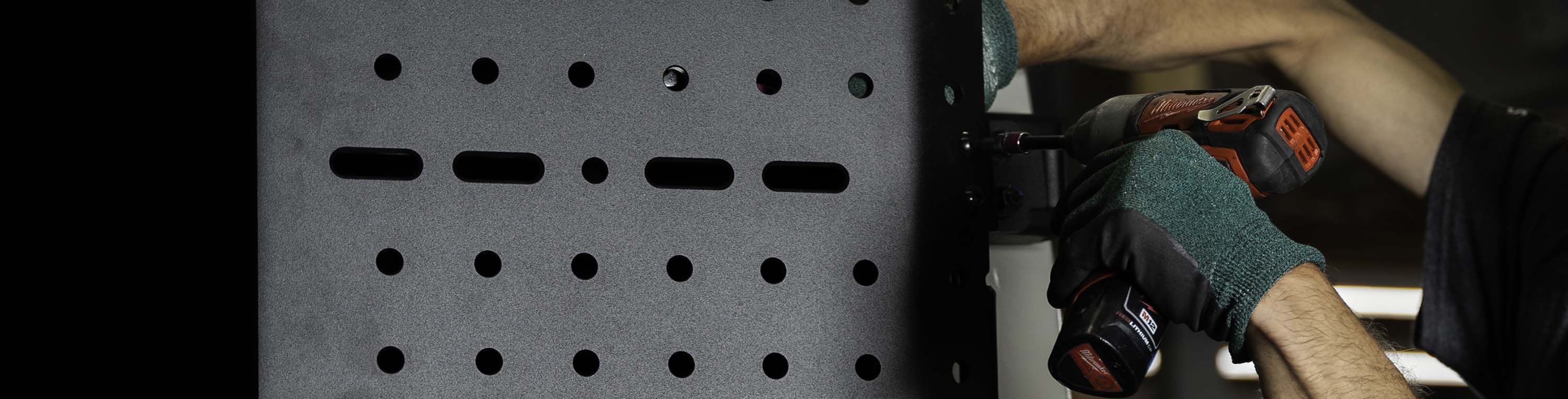
The subfloor goes down, insulated and sealed, with the mounting points that everything above it will attach to. This is the modular core — get it wrong and every stage afterwards inherits the error. Get it right and the rest of the build is assembly rather than problem-solving.
Third: systems, before cabinetry
Batteries, inverter, charging, water tanks, pump and heater are installed and commissioned while there is still room to work around them. Every run is labelled. Every component is positioned so it can be reached later without cutting anything apart — which sounds obvious and is skipped constantly in the industry.
Fourth: cabinetry, and then the long part
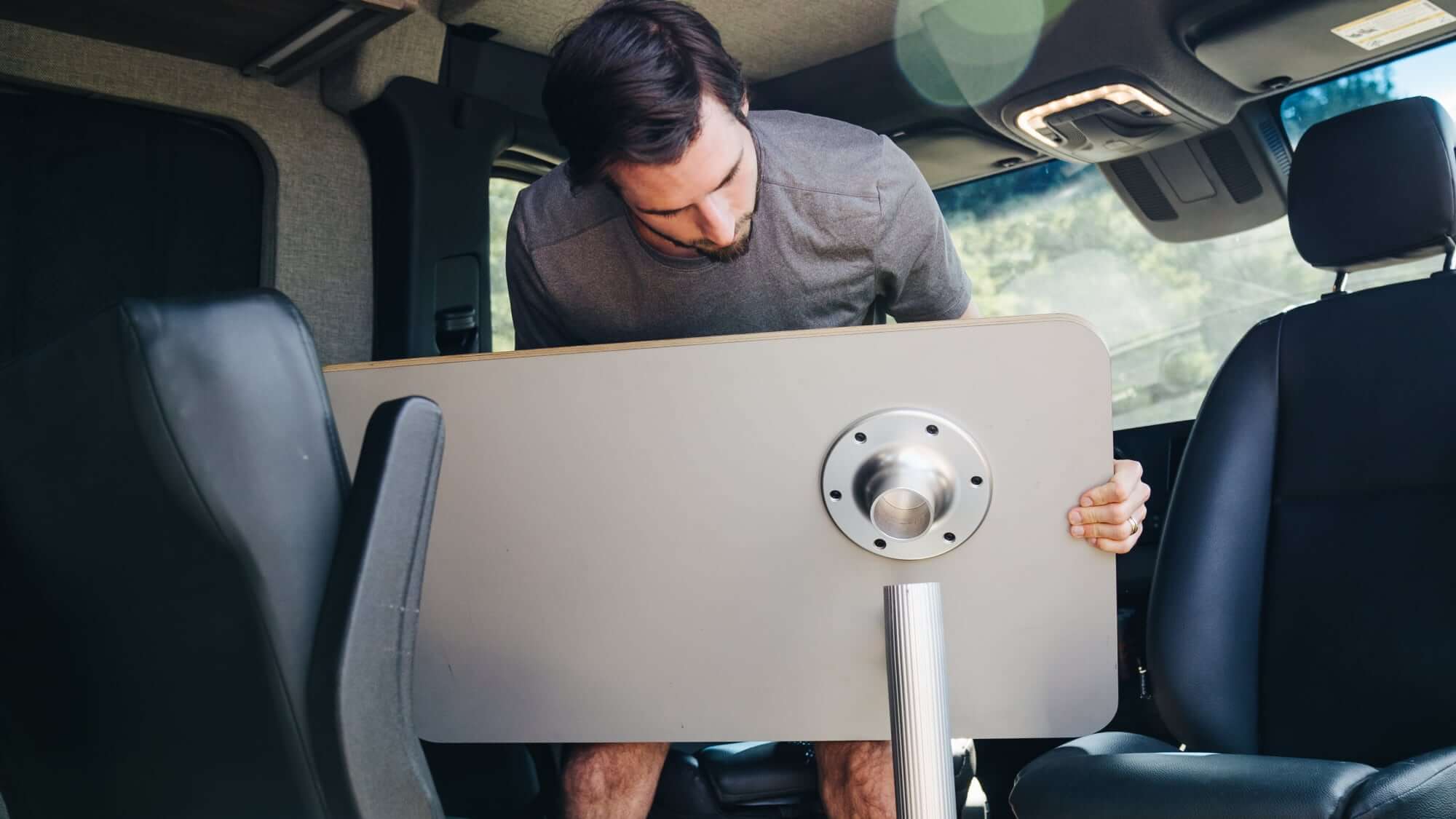
Cabinetry, galley, bed and seating are fitted to the core. Then comes the stage that takes longer than people expect and never photographs well: fit and finish. Doors adjusted so they stay shut on a washboard road. Edges eased. Latches tested. Panels aligned. A van that rattles is a van that was rushed at exactly this point.
Last: the road-facing hardware, then handover
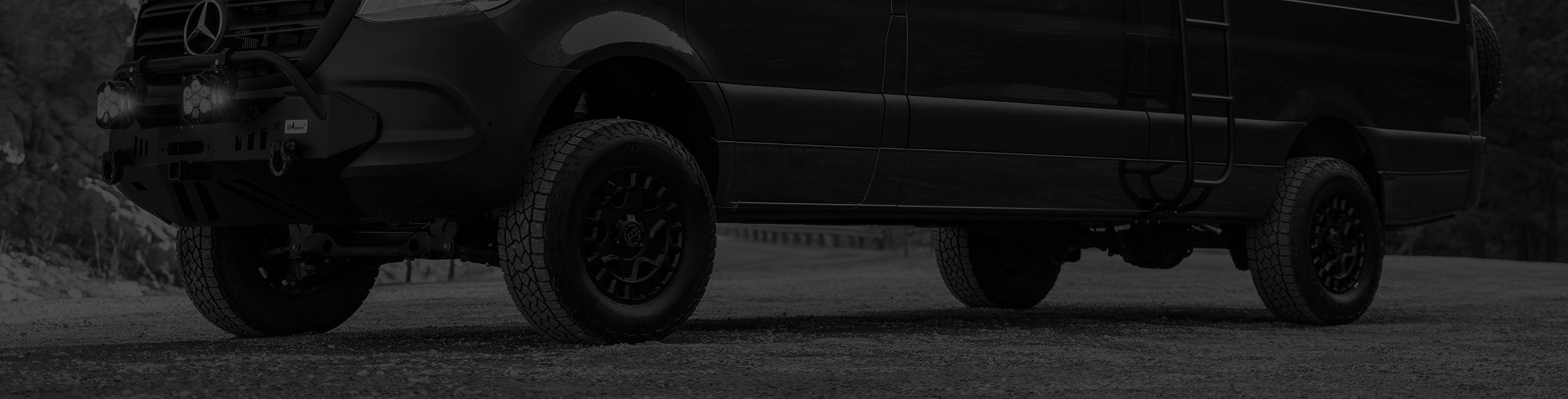
Suspension upgrades, wheels and tires, awnings, racks and exterior storage go on at the end, once the van's finished weight is known. Loading matters here — suspension chosen for an empty van is the wrong suspension for a full one.
Then the van is inspected, and we walk you through it in person: how each system starts, how each one shuts down, and what to do when something behaves unexpectedly a long way from a phone signal.
-
You keep the documentation
Every manual for every component in your specific van is collected in your owner portal, matched to what was actually installed rather than a generic list.
-
The walkthrough is recorded too
Our video tutorials cover winterizing, heating, power and shutdown procedures, so the handover is not the only time you hear it.
-
We service what we build
The same shop that built your van maintains it. Nothing gets subcontracted to someone seeing the layout for the first time.
It is a longer process than a production line, and deliberately so. If you want to see where yours would start, the Build & Price tool is the first step — or come by the shop in Boulder and we will show you one mid-build.