
Classic, Metis or Ultra: Which Layout Fits You?
Three layouts, one honest question — how do you actually want to spend your evenings?
People usually arrive at this decision from the outside in — chassis length first, then layout. We would suggest the opposite. Start with how you want to spend a Tuesday evening in the van, and the right layout tends to select itself.
Here is what actually separates the three.
Classic — the flexible one
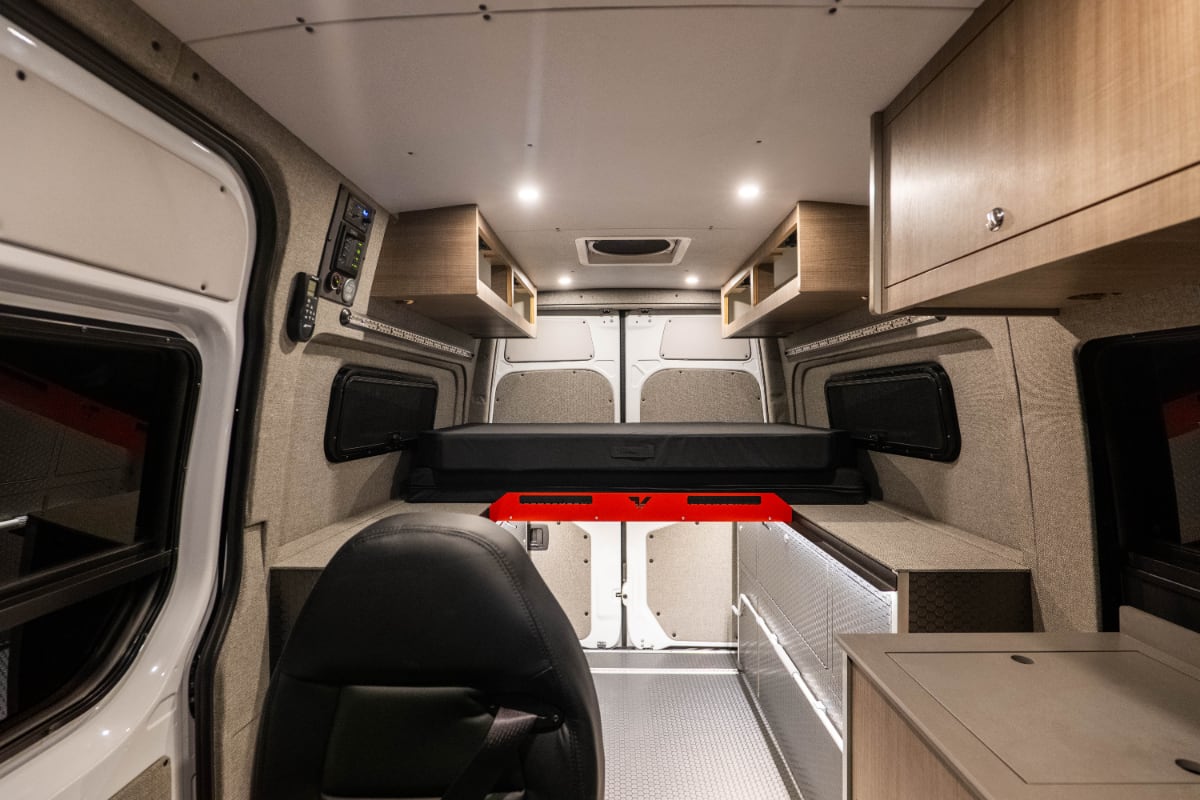
The Classic is the layout most people should look at first, and the one they most often end up choosing. The rear converts between sleeping and living, which means the same floor area works as a bed at night and as usable space during the day. If you travel as a couple and move fairly often, this is the arrangement that wastes the least room.
It is also the friendliest layout for occasional extra passengers — which matters more than people expect once grandchildren enter the picture.
Metis — the one with the bathroom
A bathroom in a van is a genuine trade. It consumes floor area that could have been galley, storage or seating, and it adds plumbing to maintain. For some people that trade is not close — the independence of not planning a day around facilities is worth every inch it costs.
If you are unsure, this is the one question worth being decisive about early. It shapes everything else in the build, and it is the hardest thing to add later.
Ultra — the one for living in
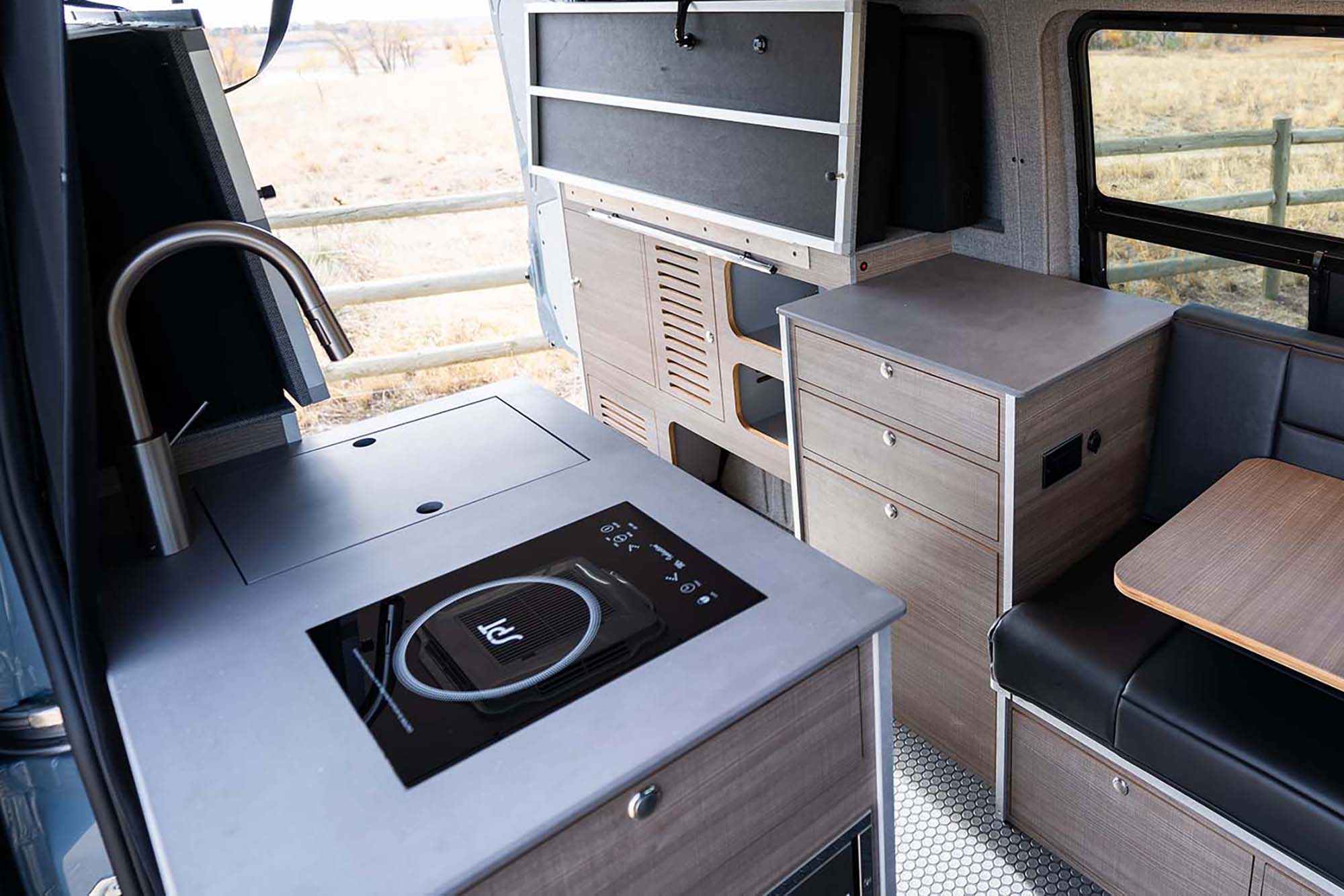
The Ultra is built for longer stays. More galley, more storage, more of the small comforts that stop mattering on a weekend and start mattering enormously in week three. If your idea of the van is a month at a time rather than a series of weekends, this is where to look.
Then, and only then, pick a length
Once the layout is settled, chassis length is a much simpler conversation. Shorter vans park almost anywhere and are far less stressful in a city or a crowded trailhead lot. Longer vans give you room to pass each other in the aisle and to keep gear inside rather than on the roof.
-
Mostly weekends, mostly two people
A shorter chassis will serve you better than you expect, and it stays usable as a second vehicle at home.
-
Extended trips, or four people
Go longer. The extra room stops being a luxury somewhere around day ten.
-
Still genuinely unsure
Come and stand in them. Twenty minutes inside two layouts settles more than a week of comparison charts — and if Boulder is a long way away, we can walk you through them on a call instead.
The comparison table puts all three side by side, and the Build & Price tool will show you what each configuration costs before you speak to anyone.