Power You Can Trust: Your Van's Electrical System in Plain English
Four components, one job — keeping the coffee maker running and the heater on at 2 AM.
Electrical is the system people ask about most and understand least — usually because it gets explained in amp-hours and inverter efficiency curves rather than in terms of what you can actually do. So here is the plain version: four components, and what each one is for.
The battery is your fuel tank
Everything else exists to fill it or empty it. Modern lithium batteries are the reason today's vans can do things that were not practical a decade ago: they are lighter than the lead-acid batteries they replaced, they can be run down much further without damage, and they hold their voltage steady rather than fading as they drain.
That last point is the one nobody mentions and everyone notices. A steady voltage means the lights do not dim and the fridge does not labor as the evening goes on.

The inverter turns van power into house power
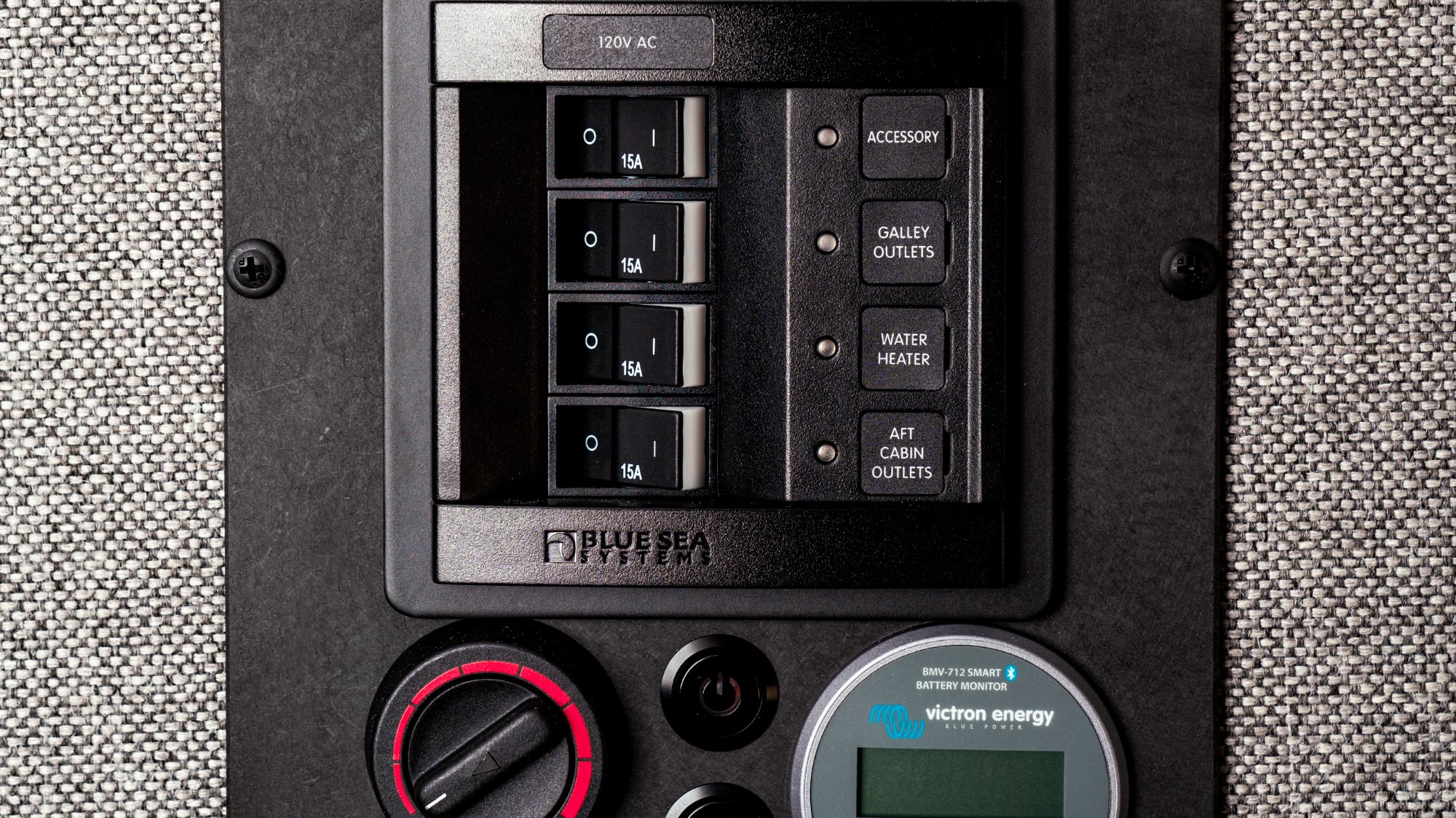
Your battery stores 12-volt DC. Your laptop charger, coffee maker and induction cooktop all expect the 120-volt AC that comes out of a wall. The inverter bridges that gap, and in most Titan builds it doubles as the shore power charger — so the same unit that runs your appliances off-grid also refills the batteries when you plug in at a campground.
We build around Victron equipment for a specific reason: it is documented, it is serviceable, and the same components are used worldwide, which means a failure on the road is a solvable problem rather than a trip-ending one. Every manual for the hardware in your van lives in your owner portal.
Two ways to refill: the alternator and the sun
A DC-DC charger pulls power from the van's alternator while you drive, safely and at a controlled rate. This is the workhorse. If you move every couple of days, driving alone will keep most systems topped up without you thinking about it.
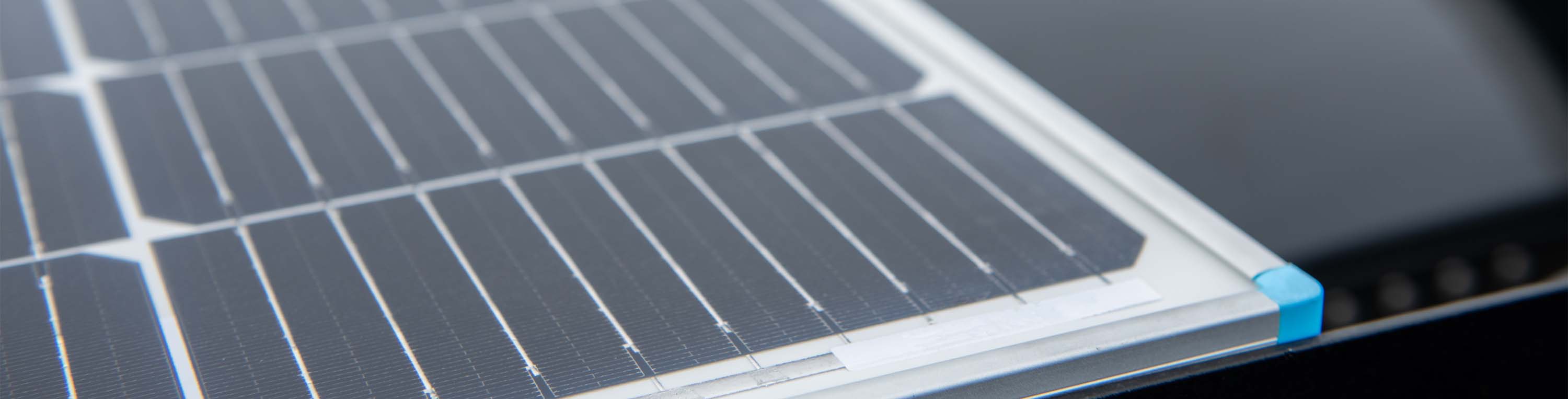
Solar is the quiet partner. It will rarely refill a depleted bank on its own in a single winter day, but it excels at the thing that actually matters: holding a charged battery at full while you are parked for a long weekend, so you come back to a van that is ready rather than one that needs an hour of idling.
How much do you actually need?
The honest answer is that it depends far less on the size of your van than on two questions: how often you move, and whether you cook and heat with electricity or with propane and diesel.
-
You move every day or two
Driving does most of the recharging for you. A moderate battery bank and a good DC-DC charger will comfortably cover the fridge, lights, water pump and device charging.
-
You park for a week at a time
Now solar earns its place, and so does extra battery capacity. This is the profile that benefits most from oversizing.
-
You cook and heat electrically
Induction cooking and electric heat are the two biggest loads in any van by a wide margin. If they are on your list, plan the system around them from the beginning rather than adding capacity later.
There is no universally correct answer, which is exactly why we size the system to how you travel rather than selling a single package. Tell us what a typical week looks like and the rest follows from that.